First Response Program
damage assessment and cleanup - food and water
The purpose of this program is threefold: to train and equip our youth, to activate the church, and to impact our nation.
Our goal is to send leaders, trained and equipped to respond to crises within the US and then build on that training and experience for further development to send them into more intense situations internationally.
Our organizational vision has always been to use disasters as a means to take the gospel into areas that would otherwise be closed and hostile towards us. We believe it is our responsibility to put our volunteers in the best position to succeed in whatever crisis they respond to and in whatever country that might be.
What we provide in a US Disaster Response
1. Leadership and Command Structure
Qualified and competent leadership to establish stability in a time of crisis,
and to empower the residents of the community to be part of the response.
2. Immediate Nourishment Needs
Food and water distribution by partnering with Blessings of Hope.
3. Initial Cleanup
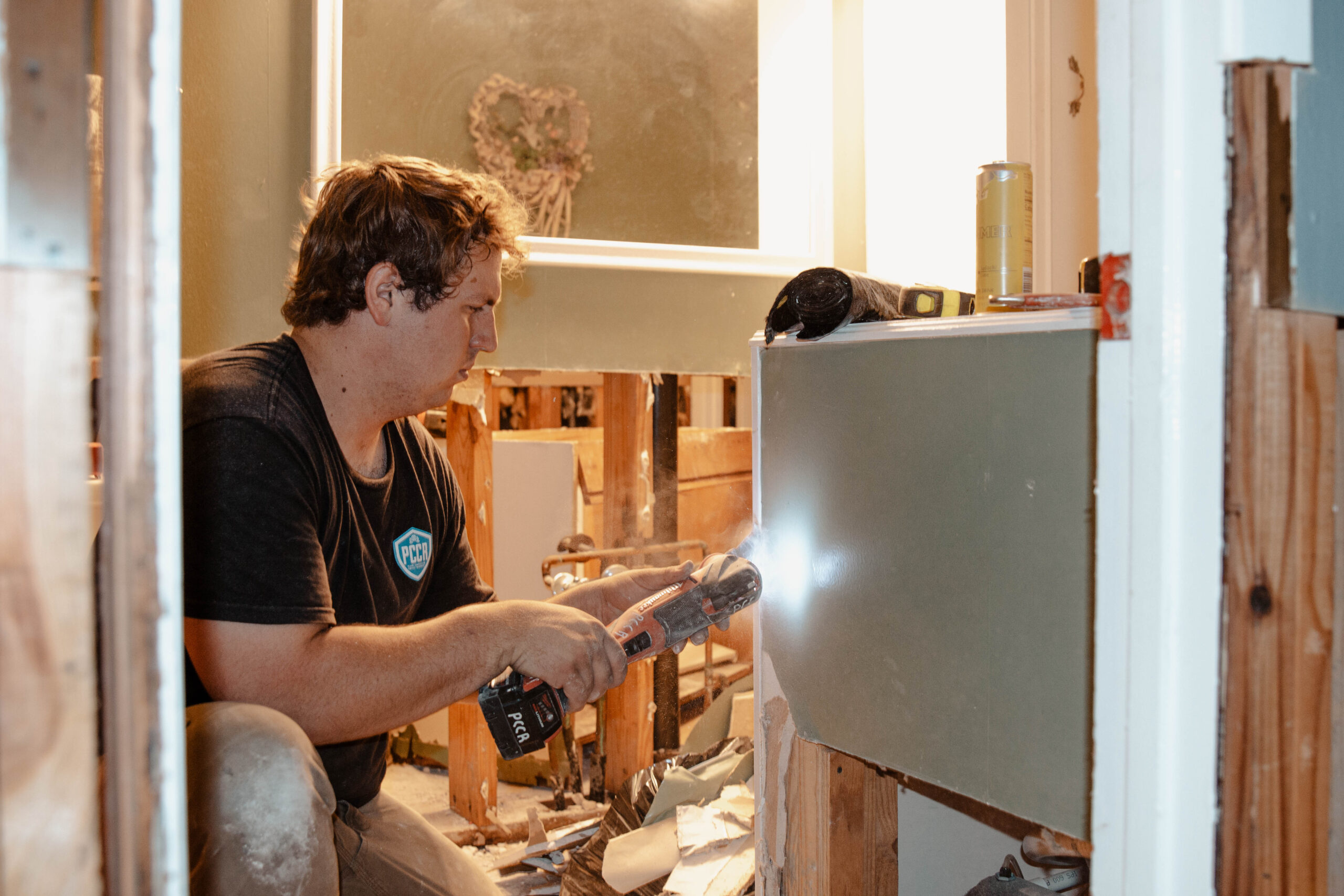
Volunteers and tools to clear roadways, install tarps on damaged house roofs, and provide damage assessment.
4. Trauma Care – Prayer Support
Prayer and emotional support for traumatized individuals
Why stateside relief?
1. To train our young men and women to respond locally before sending them abroad. To vet and position leaders in their gifts and callings.
2. To activate our local communities by providing churches and businesses with a platform to respond to local disasters.
3. To impact nations around the world, we believe it starts with helping our communities at home.
How will we accomplish it?
We will train and deploy volunteers, equipped with the necessary knowledge and tools to respond to disasters within the United States. We will care for people struck by disaster while preparing the volunteers for international deployment.
When disaster strikes, we will be there to provide emergency relief and to bridge the gap between the needs of the community and the organizations working to meet those needs.
The Response Plan
When disaster strikes, we will respond within 24 hours with a trained, 5 person team. This team will respond with a truck conversion RV, pulling a 32 foot trailer stocked with tools and equipment. We will also deploy a crew cab truck that will be used as a mobile vehicle at the disaster area.
Upon arrival to the disaster area, the RV will be set up as the center of operations. It will function as living quarters and a command center, with two people assigned to staff the command center. These staff members will coordinate with the
Pennsylvania headquarters in addition to being a liason between PCCR and the other agencies and organizations on site. Their first priority will be to dispatch the rest of the team to assess the immediate needs in the area. They will then relay the information to the headquarters and other agencies as needed.
Meeting the food and water needs and opening the roads will be an immediate priority. These include cutting trees, removing debris, and getting the roads opened so the local population and other agencies and organizations can move into the area.
The next priority will be shelter needs, which includes emergency repairs to make some of the houses able to be occupied again. These repairs will involve removing trees off of houses, tarping house roofs, and pumping water out of basements. As the most urgent needs are met, we will set up and facilitate prayer stations at the temporary shelters where the local population is staying.
Within several days of our arrival we will set up base at a location that can handle teams of volunteers. They will arrive and be dispatched by the command center to the needs in the area. We will mobilize the local population to become a part of the response and work alongside our volunteers.
Once the initial needs are met and the situation stabilizes in the disaster area, our work will be discontinued or handed off to organizations focused on rebuilding. The team will wrap up our operation, return to our Pennsylvania headquarters, and prepare for the next response.


testimony
I’m the Lead Pastor of the Northside Church of God in Perry, Fl. Hurricane Idalia hit us as a strong category 3 storm. We have never had a direct hit from a hurricane like this in our history. We have experienced outer bands and storms from hurricanes and we have prepared for hurricanes many times. I have personally experienced the effects of hurricanes when I was in ministry in central Florida and have been able to aid other churches but have never been the Lead Pastor of a church that needed assistance. It was such a blessing to have the assistance of Plain Compassion. We were able to host them with a few other groups at our church. It meant so much to our church and to our community to have them in the area so quickly after the storm. Admittedly, having no experience with anything like this, I was very skeptical about a group coming to help for FREE? I asked about the costs involved and verified it several times, because there were several people/companies here that bombarded our community with “help”, but there was always a cost attached and many times they were inflated. I talked to some people who were quoted $12,000 to $20,000 to have their trees trimmed and debris cleaned up.
We were so grateful for the ministries that came and donated their time and resources to help our community. I quickly found out that Plain Compassion was legitimate, and they were here to help. I was able to connect their leaders with several of my church members and many others from the community. Word of mouth quickly spread throughout our community and people with cleanup needs started contacting me to connect them with Plain Compassion. Debris clean-up, roofs tarped, trees trimmed, small repairs… I heard feedback from the community that they were taken care of quickly by this ministry, sometimes the same day or within a couple days at the latest. It was such a great blessing that in the middle of our chaos and mess that we could get help from people who cared. They were the hands and feet of Jesus in action. I feel like I made new friends and cannot put into words how grateful I am to have been a small part of connecting them with our community. I am thankful as a Pastor and we are so thankful as a community and we pray many blessings upon everyone involved in this ministry!
I do not know where we would be without your help!
Thank you and God Bless!!
Pastor David Johnson
Northside Church of God
Perry FL
Hurricane Helene - 2024
Q & A
Q: Do you have opportunities for a youth group to volunteer for one or two weeks in _______?
A: As an organization, we focus on immediate relief efforts and cleanup. When a storm system starts to develop, we track the progress and predicted area of impact. Once a storm system reaches a certain level, we will almost certainly deploy and especially for hurricanes, we will sometimes arrive on scene before the storm lands. Our team waits for the storm to pass and then engages in the initial work of crisis response. Other times, we will deploy based on the reports after the storm, this is usually true of smaller hurricanes, tornadoes and flooding.
If there is enough work to be done we will open the response to volunteers and publish a link that individuals and groups can use to sign up to help with the cleanup. Once the damage from the storm has largely been cleaned up and the needs shift to rebuilding, we usually wrap up our response and allow the organizations who focus on rebuilding to start their work. As a rule, we don’t often get involved with the rebuilding aspect of a disaster.
We don’t deploy unless a disaster happens and while nobody cannot predict what will happen when, there are a few rules of thumb based on our experience over the past few years:
• Tornado season generally starts in March and lasts til June, with varying degrees of intensity and impact. We typically have one to two tornado responses during that season, lasting anywhere from 2-5 weeks.
• Hurricane season lasts from June to the end of November and we have a least one response per year to the gulf coast. This generally happens in August/September and typically last 3-4 weeks.
• Flooding can occur year-round and we generally have at least one flood response per year, sometimes more. These usually last 3-5 weeks, depending on the amount of damage and number of volunteers available to help with cleanup.
All of this information makes it next to impossible to answer the question above with a definite yes. While we appreciate the interest and always welcome youth groups who want to deploy with us within the US, we won’t be able to schedule any group unless there is an active response and we have a link for volunteers to sign up. Keep in touch with us via social media and email to be notified of volunteer opportunities.
Q: Do I need to take the training before volunteering on US Responses?
A: No, the training is not a requirement.
Q: Can minors volunteer with PCCR?
A: Yes, provided that the parent/legal guardian will be responsible for the minor during all times of the deployment and the proper documentation gets signed by the responsible party.
Q: What is the age limit for minors?
A: We don’t have an age limit when it comes to how old they have to be, use your own common sense on what will work well. Our suggestion is no younger than school age, but at the end of the day, it’s up to you.
Q: What does lodging usually look like?
A: This varies greatly. The more self-sufficient you can be, the better you will generally be off. RVs or camping gear is often a very good idea, sometimes churches open their doors and allow volunteers to lodge there. If you can find your own lodging, that’s ideal, but you’re welcome to reach out to us if you have questions.
Q: Are there any legal implications with volunteering in case of accidents?
A: Sometimes, accidents do happen, but we do our best to ensure everyone is aware of the risks and willing to accept them. The homeowners sign a document allowing us to provide help and holds PCCR and the volunteers harmless for any accidents that happen. As a volunteer, you will also need to sign a document, stating that you are volunteering at your own risk and providing your equipment (if any) at your own risk.
Q: With so much damage and loss, there must be a need for _______, can you take donated items that I collected?
A: PCCR does not accept donations of goods unless we put out a very specific need, like the WARM Project of 2024, where heaters were requested. However it’s a point worth making that with a lot of disasters, the amount of goods that are donated and sent to the area often creates a secondary problem in itself and at times, we are asked by the locals to assist with managing the incoming donations because they are already operating at maximal capacity with the response. Loads and loads of food, clothing (both new and used), bottled water and all kinds of things all arrive by tractor trailer load and individual vehicles… the amount of items that generous and kind-hearted donors collect, buy and ship or drive to areas of disaster is usually way out of proportion to the needs.
Our recommendation?
1. Find local churches and contacts and ask them what the needs are.
2. Keep in mind that these needs change drastically and quickly, keep in touch with the your contacts. For example, there may be a desperate need for bottled water and fuel one day that gets published and people will fundraise, purchase these things and drive them to the area, only to find out that the need was met several hours after it was published and now they have an overabundance of supplies.
3. Whatever you do, do not simply gather supplies and start driving to the area, hoping to find somewhere to unload. With a large-scale disaster, this literally happens everywhere all the time and is very unfortunate to experience.
4. Mark your calendar and check back with local churches 3-4 weeks to several months after the disaster. Usually by then, the immediate surplus has dissipated and real needs emerge that are not being met by other donations and your support will be meaningful, specific and will meet an actual need.
Q: There are news reports coming out of the area on social media and they are horrible. What can be trusted as reliable?
A: Unfortunately, a lot of information that circulates after and during disasters is not accurate. Sometimes it’s a partial truth, sometimes it’s downright wrong. Often, information is either misunderstood or taken out of context and this will make a situation sound morbid, horrifying or cruel. These things oftentimes gain the attention of social media and suddenly everyone is talking about a very isolated occurrence. At the bottom, don’t immediately believe what you read or see and if you want to get a good picture of what is happening, volunteer or talk with locals or reliable people who are working on the ground.
Q: What should be kept in mind with bringing heavy equipment?
A: Oftentimes, roads are damaged and large vehicles like tractor trailers have a hard time getting to the locations that need help and pretty much end up stuck on a parking lot, unless there are enough trucks and trailers to take them to the locations. Don’t bring equipment unless you have the transportation on the ground figured out as well. For example: If you’d like to bring a skid steer, also bring a truck and dump trailer. A tractor trailer full of equipment is a great resource, but only if it can be at the right place at the right time.
Q: Is there any need for people to cook food?
A: Our forms will usually have an option to select if you’re interested in providing meals for volunteers and homeowners. If there is no such option, reach out to us directly.
Q: What kind of work should I expect to be doing?
A: This is hard to answer, since every disaster is different. However, the best experiences are usually had by volunteers who are willing to do whatever needs to be done.
While on a response and working on homeowners properties, keep in mind that they often need a listening ear as much as they need the tree off their front porch or their driveway repaired. Take the time to listen and show compassion… the combination of taking the time to care for them as individuals and bringing solutions to their problems is a powerful demonstration of God’s love and brings hope back to them to pick their life up and go on. If we only take care of the physical work we have failed to truly help them.
Q.Is it possible to join your team without taking the training, given that I already hold many of the certifications typically covered in it?
A: While we give our graduates first chance at deployment with us, especially on international projects, we occasionally do deploy individuals who have not taken the training. This very much depends on the volunteer need, the experience, specific skills and how well we know the person in question. The last part is probably the most important to us, since we typically deploy small teams to places that are often unstable and unsafe.
One big benefit of taking the training is that it gives you the opportunity to get to know us as an organization and individually as staff, and we also get to know you much better. Our heart is to give our volunteers and graduates the best possible experience and opportunity to succeed on the field and the better we know them, the better this usually works out.
Some certifications you already hold would not need to be repeated during the training.
If you’re looking to volunteer with us stateside, the training is not a requirement. Even if you’re hoping to deploy internationally, deploying with us stateside is actually a great way to get to know us better and for us to have some working experience with you. Based on that, we may deploy you sooner than otherwise.
the latest posts
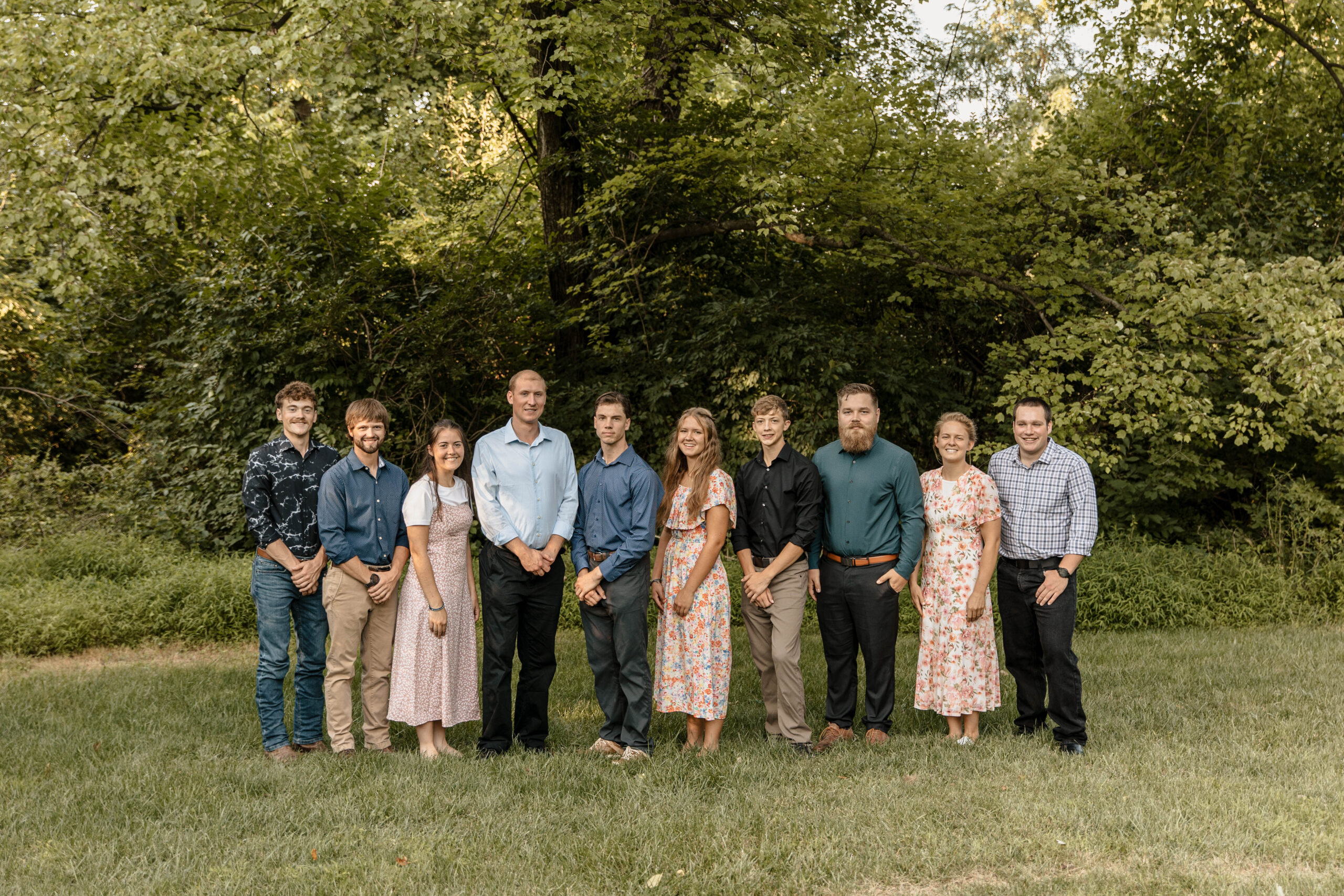
Summer Training 2026, Team 13
Another team has completed our First Response Training. Congratulations Team 13! I would highly recommend this training. Not only does it …
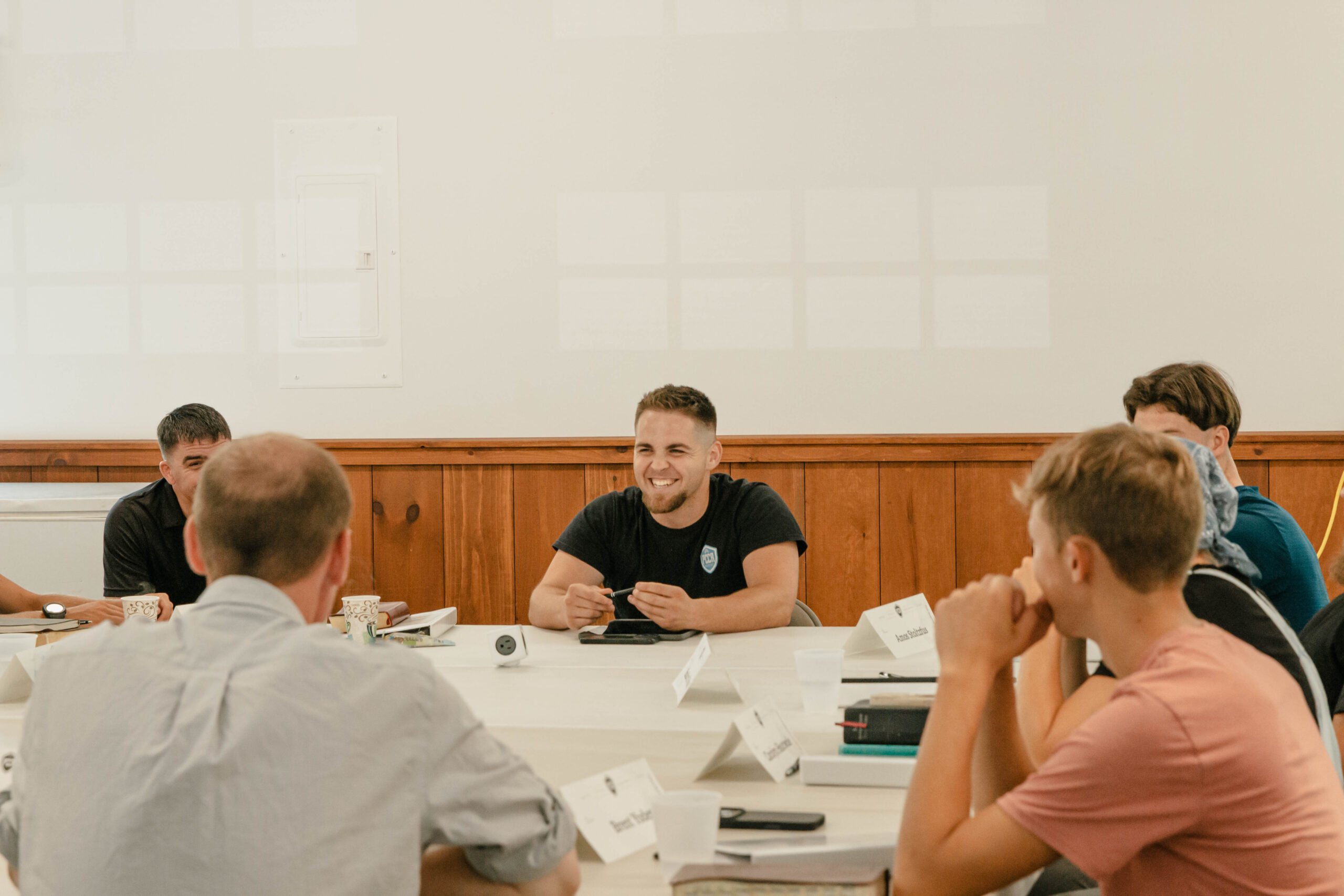
Snapshots From Our Summer Training
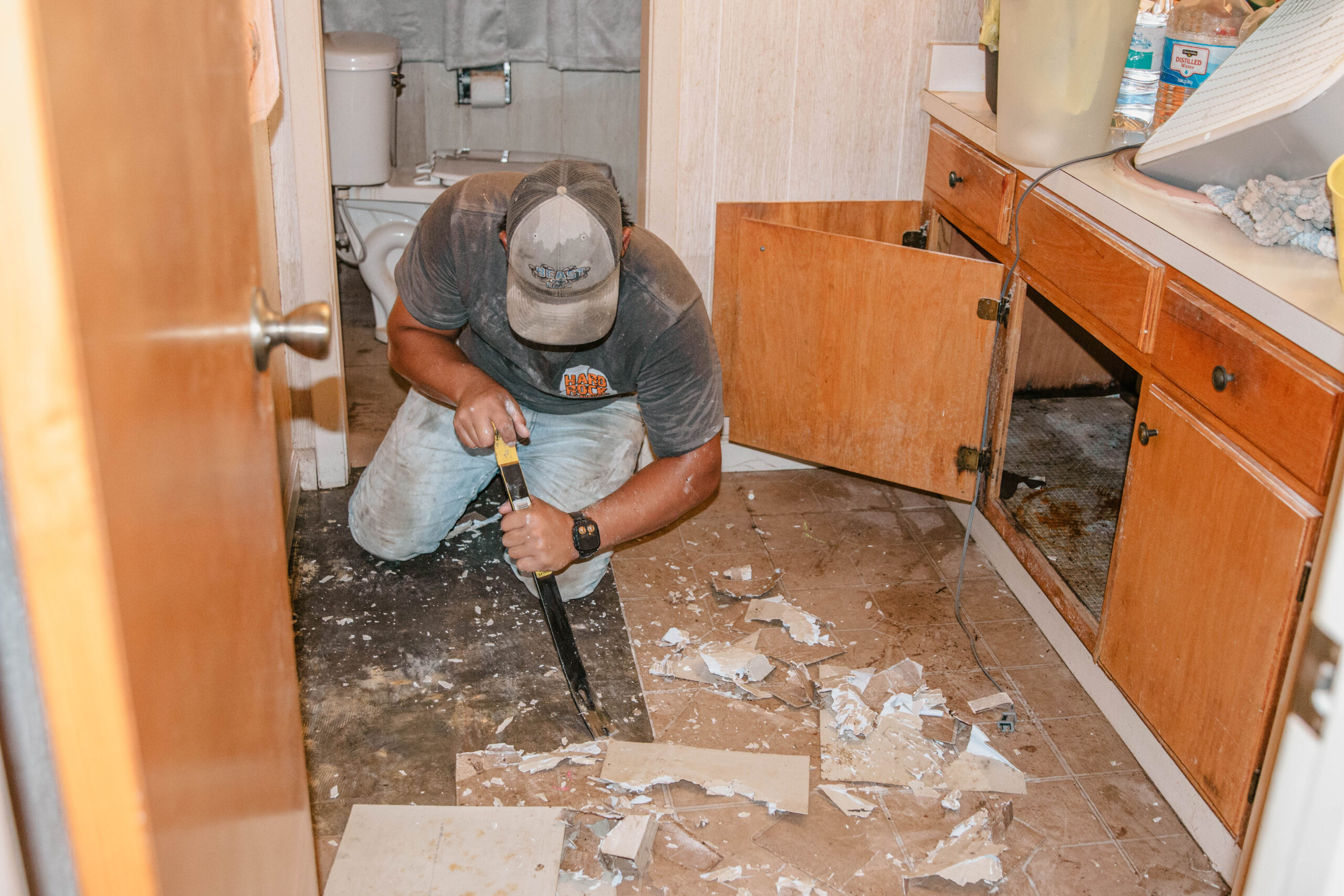
Louisiana Flood Response: From the Field Director
A Day in the Life: US Disaster Response

Louisiana Flood Response

Louisiana: Kindness in the Midst of Loss
